
How Local SEO Freelancers Build Topical Authority That Gets Small Businesses Cited in Google AI Overviews in 2026
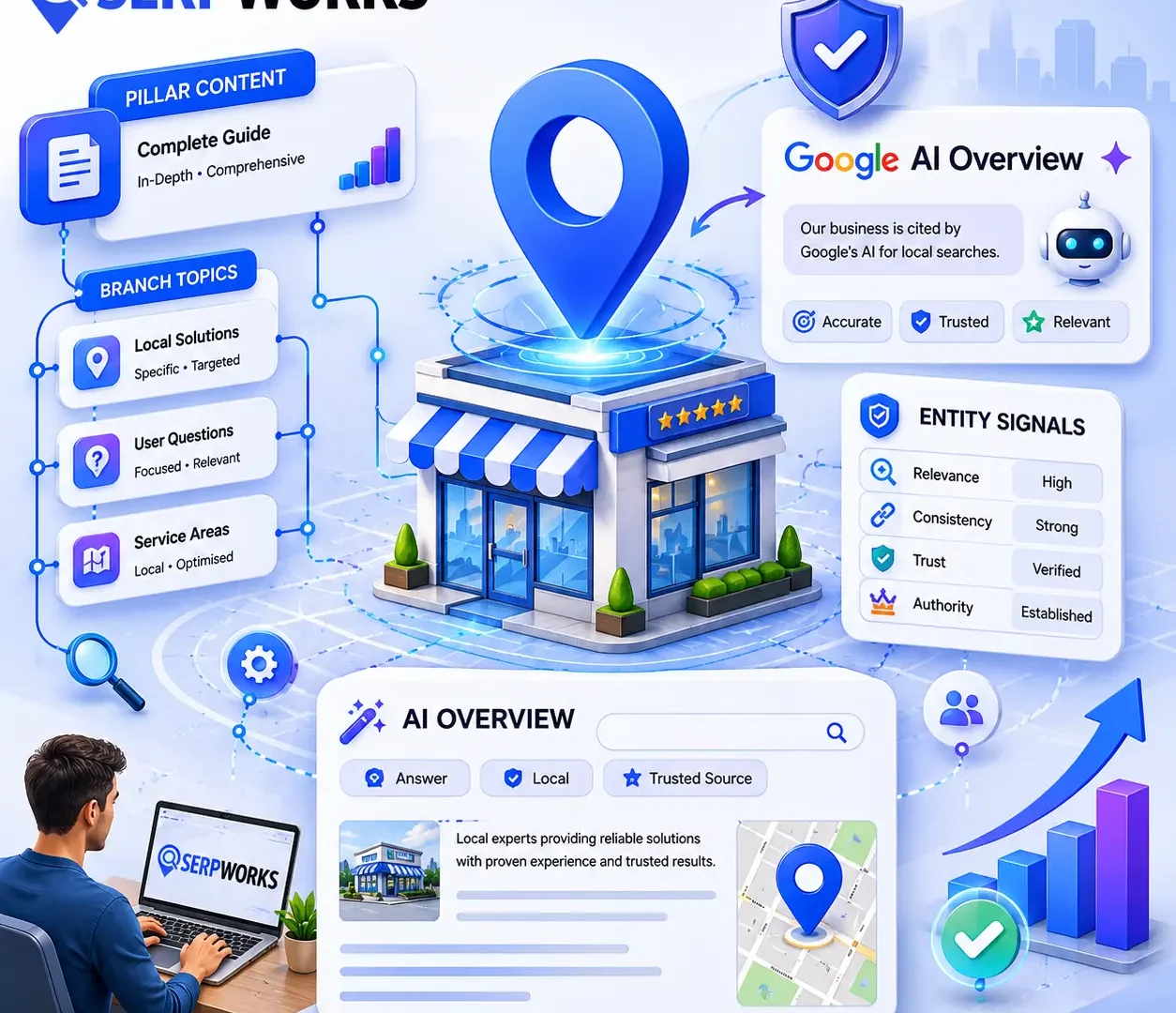
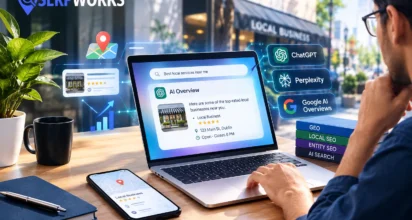
Ranking in the Google Map Pack is no longer enough. In 2026, Google AI Overviews appear above traditional organic results, above the Map Pack, and directly answer high-intent local queries. The businesses cited in those AI answers are not there by keyword density. They are there because a local SEO specialist built a content structure that Google’s AI treats as a trusted, authoritative source. This is topical authority, and building it is now the most valuable skill a local SEO freelancer can offer.
Why Google AI Overviews Changed the Local SEO Game Permanently
Google’s Retrieval-Augmented Generation system does not rank pages. It selects sources. When a user asks a complex local query, Google’s AI breaks it into multiple sub-queries, scans the web in real time, and cites the sources that answer each part most precisely. A business with a single generic service page will never be selected. A business with a structured content cluster covering its service in depth, tied to a specific geography and a verified entity profile, will be.
The Google AI Optimization guide confirms that content selected for AI Overviews must demonstrate genuine expertise, clear entity signals, and structured answers to specific user questions. These are precisely the elements a local SEO freelancer builds.
The Pillar and Branch Cluster Structure That Wins AI Citations
Topical authority is built through a Pillar and Branch content structure. The pillar page is a comprehensive resource covering an entire service category in depth. Each branch page targets a specific sub-query with focused, precise answers. Every branch links back to the pillar, creating a content ecosystem that signals to Google that this site owns the subject.
The Top 30% Rule is critical. Research shows that 55% of all cited snippets in AI Overviews are pulled from the first 30% of a webpage. Freelancers must front-load every page with the core answer, the service definition, and the local context. Content buried under lengthy introductions is bypassed entirely by AI retrieval systems.
Headers must be structured as direct natural language questions, not creative phrases. A heading like ‘Why Clay Soil Damages Residential Sewer Lines in Dallas’ is a retrieval signal. A heading like ‘Our Expert Plumbing Team’ is invisible to AI.
Non-Commodity Content: What Google AI Actually Selects
Generic content is now an active liability. Google’s helpful content guidelines explicitly states that content must demonstrate first-hand experience and genuine expertise to qualify for AI feature appearances. For local businesses, this means replacing generic service descriptions with documented, real-world specifics.
A plumbing page that says ‘we fix drains’ will never appear in an AI Overview. A page that explains how shifting Dallas clay soils cause residential sewer line bellies, the diagnostic process, and the local repair costs will. The freelancer’s job is to extract this specificity from the client and build it into the content structure. This is the work that generic content tools cannot replicate.
Synchronising the Google Business Profile as an Entity Signal
On-page topical authority must be mirrored by the Google Business Profile. Google’s AI uses the GBP as an entity verification layer. When the services listed on the GBP match the topics covered on the website, the business is recognised as a coherent, legitimate entity. When they conflict or are incomplete, the AI deprioritises the source.
| GBP Element | AI Optimization Action | Entity Signal |
|---|---|---|
| Primary Category | Choose specific niche, not broad | Micro-niche relevance |
| Services List | Mirror on-page branch topic language | Service ecosystem depth |
| Attributes | Select emergency, licensed, certified | Real-time intent matching |
| Visual Content | Upload geotagged job site photos | Active local operations proof |
Where Serpworks Connects Freelancers With Clients Who Need This Work
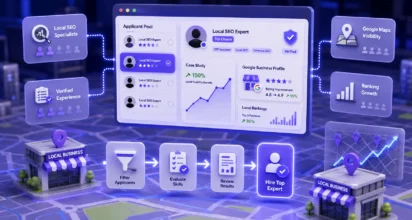
Topical authority and AI Overview optimisation are specialist skills that most local businesses cannot identify or execute on their own. The local SEO freelancers listed on Serpworks offer exactly this level of specialist content strategy, cluster architecture, and entity optimisation. These are the skills clients are actively searching for in 2026.
Learn how Serpworks works for freelancers and list your topical authority and AI visibility services to reach clients who are ready to invest in this level of local SEO work. Browse the full range of local SEO services on Serpworks to position your offering alongside the platform’s most in-demand specialisations.
According to Search Engine Land, the foundation of strong search performance is content that demonstrates expertise, provides accurate information, and is structured for clear retrieval. Topical authority work delivers exactly this. Clients who invest in it are building a local digital presence that AI systems are designed to cite.
Article Summary
Google AI Overviews select sources based on topical depth, entity verification, and structured content, not keyword frequency or page count.
The Pillar and Branch cluster model, combined with the Top 30% Rule, is the content architecture that local SEO freelancers build to qualify clients for AI Overview citations.
Non-commodity content built from real-world client expertise is the single most important differentiator between businesses that appear in AI Overviews and those that do not.
Serpworks connects businesses with local SEO specialists who build topical authority, GBP entity signals, and AI-ready content structures as dedicated professional services.